© FRANCESC VERA CASAS. Tots els drets reservats.
© FRANCESC VERA CASAS. Tots els drets reservats.
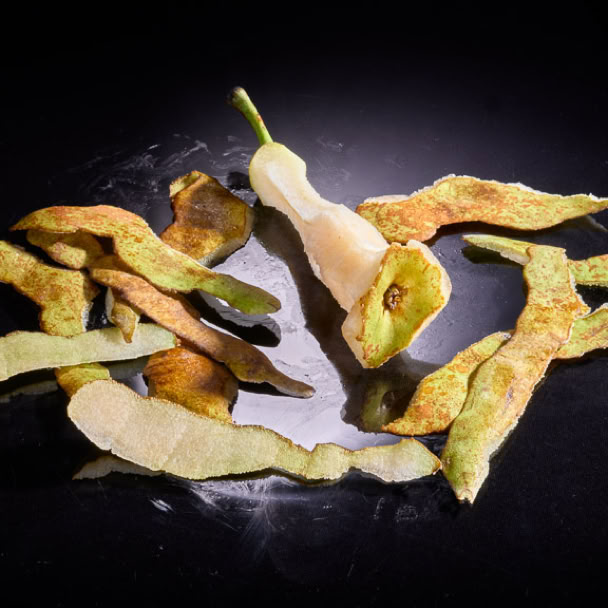
Les fotografies d’aquesta sèrie són una selecció de les que l’autor va realitzar durant el confinament per la pandèmia de la Covid19 del 2020. Originalment es publicaren en les diferents xarxes socials, com un mitjà de relació amb familiars, amistats i altres persones, com una espècie de feedback que servia de nexe amb aquells amb que interactuava cada dia. L’autor va fer servir els elements quotidians que trobava cada dia al seu entorn, tot fent un ús del plàstic com element metafòric del confinament, element que, en anunciar-se el final, anà desapareixent de manera progressiva. Amb aquesta selecció d’imatges l’editorial Afers va publicar el llibre 48 bodegons per a una quarantena.
The photographs in this series are a selection of those the author took during the 2020 Covid-19 pandemic lockdown. They were originally posted on various social media platforms as a means of staying in touch with family, friends and other people, serving as a kind of feedback that provided a link with those he interacted with every day. The author used the everyday objects he found around him, making use of plastic as a metaphor for the confinement, an element that, as its end was announced, gradually disappeared. With this selection of images, the publishing house Afers published the book 48 bodegons per a una quarantena (48 Still Lifes for a Quarantine).
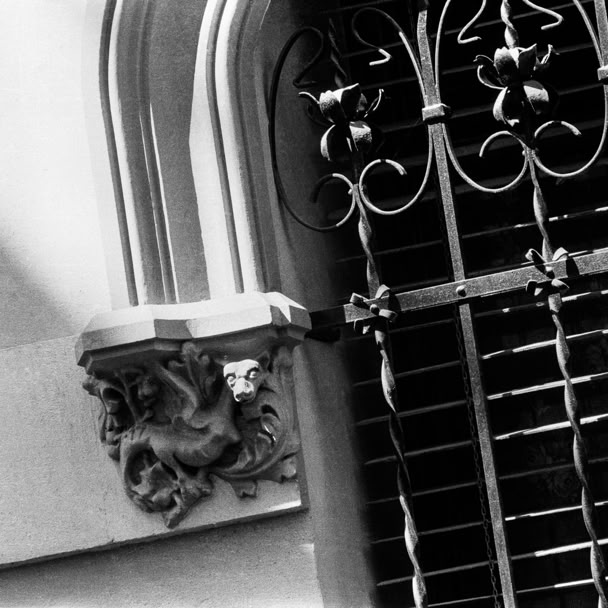
Arquitectura Modernista Suecana és una sèrie iniciàtica, realitzada el 1984, sobre elements arquitectònics de l’entorn més immediat del fotògraf. L’arquitectura modernista de la localitat és l’excusa per realitzar un exercici d’exploració personal de les possibilitats expressives del mitjà fotogràfic, jugant de manera deliberada amb les diagonalitzacions i els efectes de la llum i les ombres mitjançant la delimitació del detall i del tall espacio-temporal que l’aïlla del context.
Arquitectura Modernista Suecana (Sueca’s Modernist Architecture) is a pioneering series, produced in 1984, on architectural elements in the photographer's immediate surroundings. The town's modernist architecture serves as an excuse to undertake a personal exploration of the expressive possibilities of the photographic medium, deliberately playing with diagonalisations and the effects of light and shadow through the delineation of detail and the spatial-temporal slice that isolates it from its context.
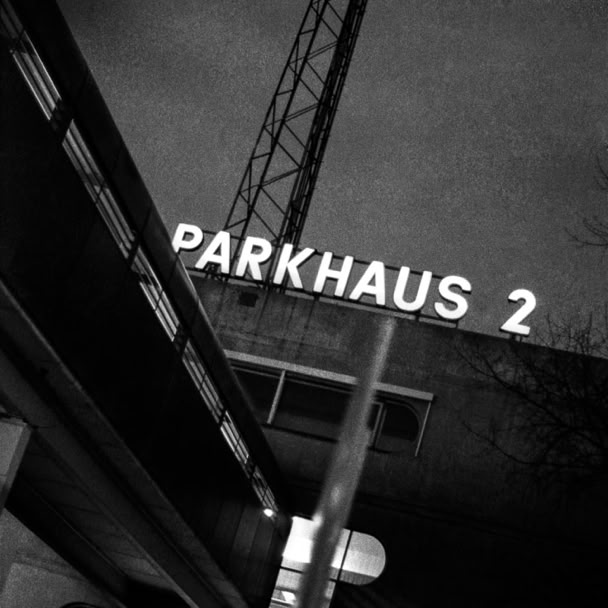
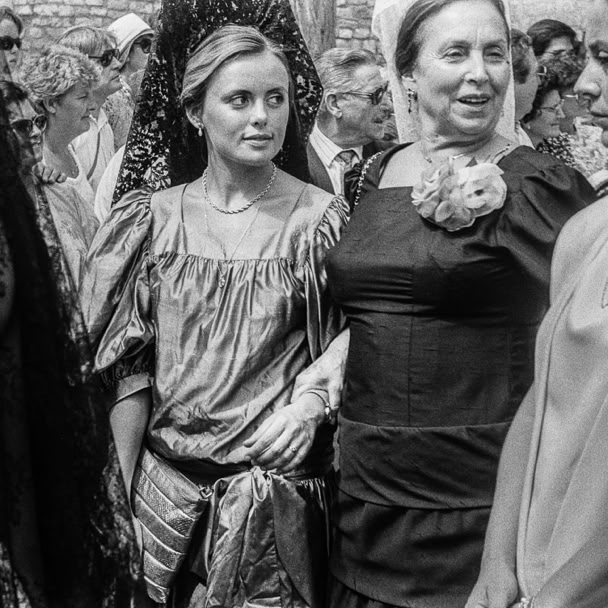
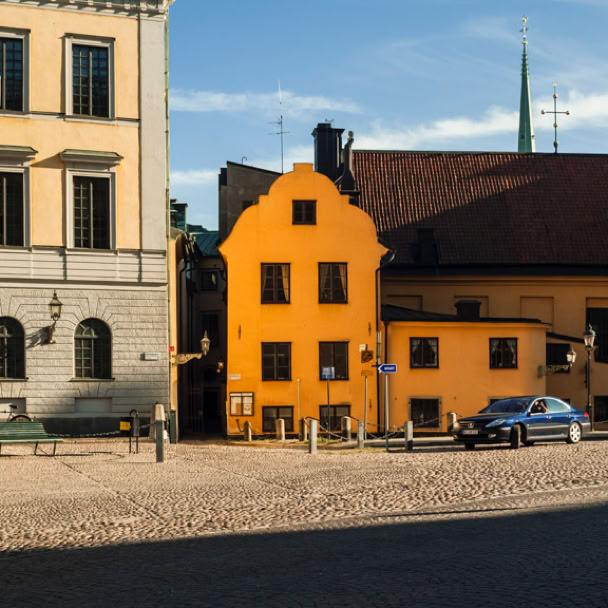
El 1986, l’autor va ser invitat a participar a l’exposició Spanische fotografie aus Wien, a la fotogaleria Wien de Viena amb el treball Arquitectura Modernista Suecana. Durant l’estada a la capital austríaca, va realitzar les fotografies d’aquesta sèrie. Si bé és cert que encara podem trobar recursos assolits anteriorment, en aquesta ocasió allibera la càmera del trípode i, influït per la manera de fer dels fotògrafs que va conèixer com a col·laborador de la II Jornades Fotogràfiques a València, fotografia amb molta més llibertat deambulant per la ciutat com qui executa per aquells carrers una espècie de vals fotogràfic.
In 1986, the author was invited to participate in the exhibition Spanische fotografie aus Wien at the Wien Photo Gallery in Vienna with the work Arquitectura Modernista Suecana. During his stay in the Austrian capital, he produced the photographs for this series. Although it is true that we can still find previously achieved resources, on this occasion he frees the camera from the tripod and, influenced by the way of working of the photographers he met as a collaborator at the II Jornades Fotogràfiques a València, photographs with much greater freedom, wandering through the city as if performing a kind of photographic waltz on those streets.
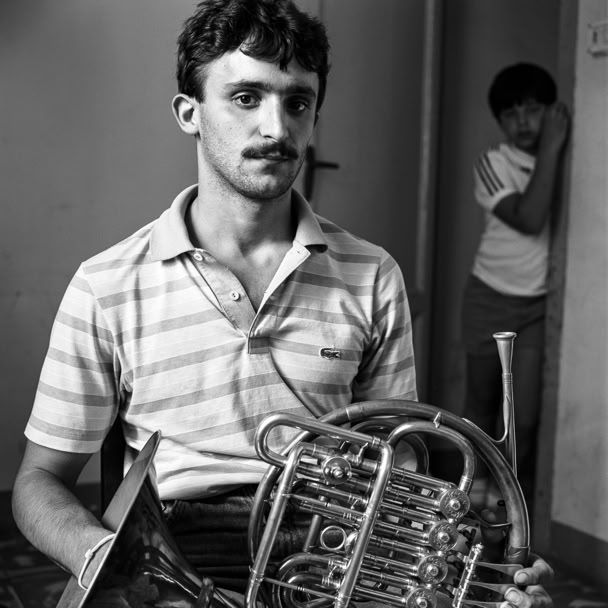
El 1986, amb motiu del centenari del Certament Internacional de Bandes de Música que cada any organitza l’Ajuntament de València, el comitè organitzador ens encomanà a quatre fotògrafs de realitzar un treball sobre les bandes de música valencianes per realitzar una exposició al Saló de Cristall de l’edifici consistorial coincidint amb aquell esdeveniment. Aquestes fotografies són la contribució de l’autor a aquell projecte., on va combinar retrats amb espais dels locals de les societats musicals que hagué de fotografiar.
In 1986, on the occasion of the centenary of the International Band Music Contest that the Valencia City Council organises every year, the organising committee commissioned four photographers to produce a work on Valencian music bands for an exhibition in the Crystal Hall of the town hall to coincide with the event. These photographs are the author's contribution to that project, in which he combined portraits with scenes from the premises of the musical societies he was commissioned to photograph.
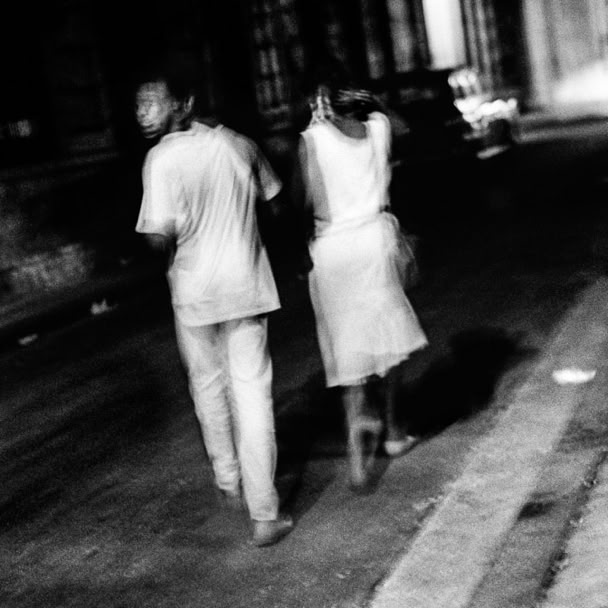
Nocturnes és la primera sèrie que allarga en el temps en la realització, les fotografies es captaren entre l’estiu de 1986 i 1990. Són imatges que, d’una banda, centren l’interès en els efectes que sobre l’emulsió sensible produeix la trepidació de la càmera en usar temps d’exposició llargs i, de l’altra, en la fascinació que les ombres de la nit aporten a la imatge. Són fotografies properes a la denominada fotografia gestual, però on el gest de fotografiar queda supeditat al control de l’enquadrament i la composició. Són fotografies en les quals les textures dels objectes són substituïdes per les que provoca l’efecte de la llum sobre la pel·lícula, a l’hora que la nocturnitat i l’esvaïment de les figures afegeixen una certa irrealitat a l’escena.
Nocturnes is the first series to extend over time in its execution; the photographs were taken between the summer of 1986 and 1990. They are images that, on the one hand, focus attention on the effects that camera shake has on the sensitive emulsion when using long exposure times, and, on the other, on the fascination that the shadows of night bring to the image. They are photographs akin to so-called gestural photography, but in which the act of photographing is subordinated to the control of framing and composition. They are photographs in which the textures of the objects are replaced by those produced by the effect of light on the film, while the nocturnal setting and the fading of the figures add a certain unreality to the scene.